ERG designs, builds and operates thermal and heat-based remediation systems for chlorinated solvents, petroleum hydrocarbons, SVOCs and other contaminants that resist conventional treatment. We work from low temperature, heat-enhanced approaches at 35 °C to 400 °C source zone treatment of recalcitrant compounds such as PFAS and creosote waste. With guaranteed remediation contracts and firm fixed price, lump sum pricing, the performance risk sits with us.
US 12,523,373Patent issued for HETR™ hybrid energy thermal conduction heating
15 to 400 °CTreatment range across ERG’s thermal platforms and methods
110+Thermal remediation projects implemented by ERG’s team
25Thermal projects delivered by ERG using ERH, TCH and SEE
Our approach
The site and the endpoint choose the remedy.
At ERG, we start from the cleanup objective, the geology and the contaminant chemistry, then select the temperature, the heating method and the supporting mechanisms that reach that objective efficiently and at the lowest lifecycle cost practicable. When another approach reaches the goal more efficiently, we say so.
01
Start with the endpoint and site considerations
Closure criteria, schedule, budget, logistics and site constraints set the design. The heating method follows from them, not the other way around.
02
Match the mechanism to the site
Biodegradation, hydrolysis, desorption, volatilization and physical degradation (pyrolysis, mineralization, etc.) each run in their own temperature window. We heat only as far as the endpoint requires.
03
Carry the performance risk
Most ERG projects are firm fixed price. The team that designs the system builds it, operates it and answers for the result. ERG offers guaranteed remediation contract options on most sites.
Proprietary platforms
Two platforms span the thermal spectrum.
Patented · U.S. Patent 12,523,373
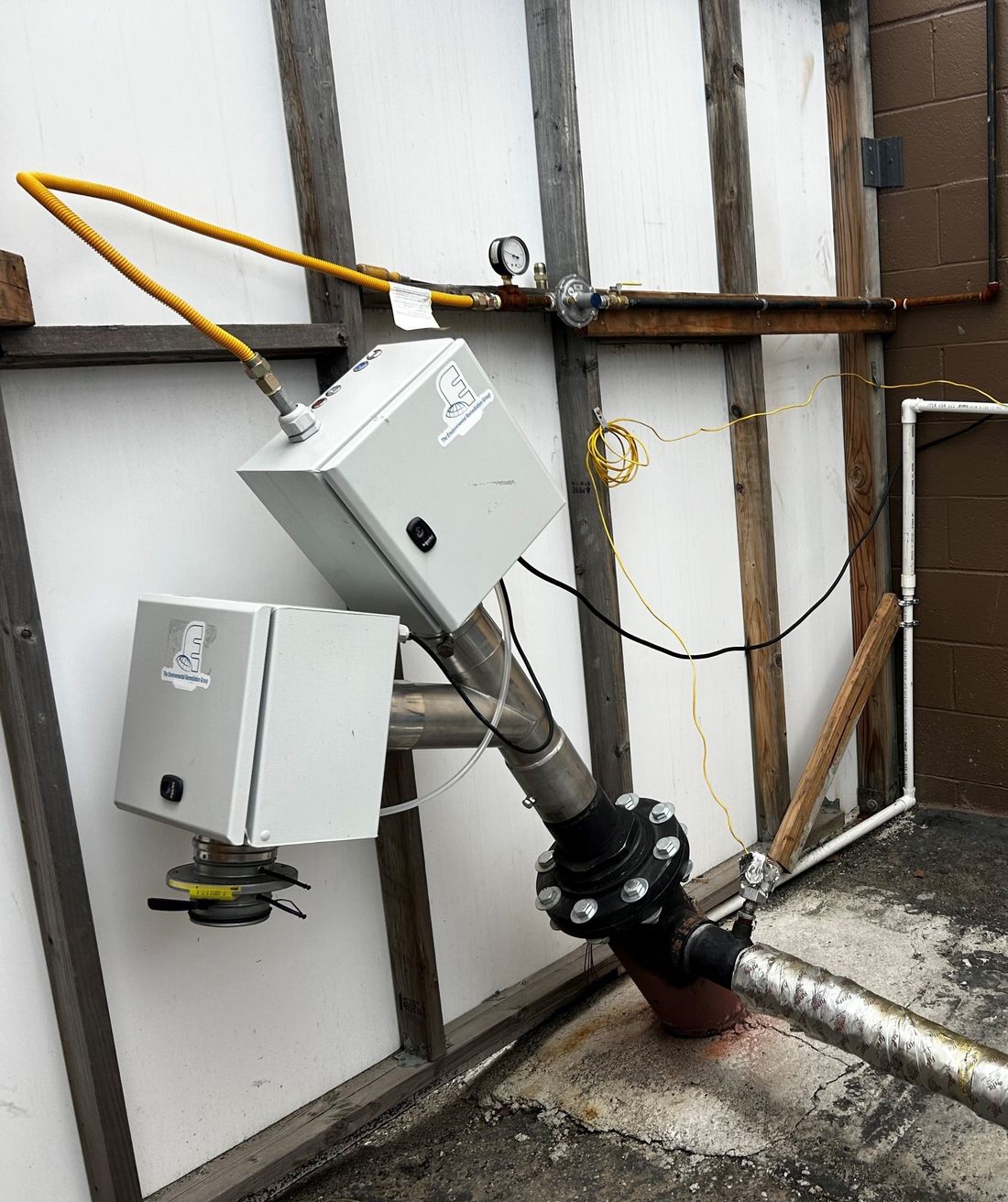
Thermal conduction heating powered by multiform energy from combustive and/or electrical sources. Built for high temperature source zones, and for sites where grid power is limited, expensive or not available.
High Temperature. Low Carbon. No Compromises.
100 to 400 °CSubsurface treatment target
400 to 550 W/ftSustained heat flux to the formation
100 to 500 WThermoelectric generation per well, around the clock
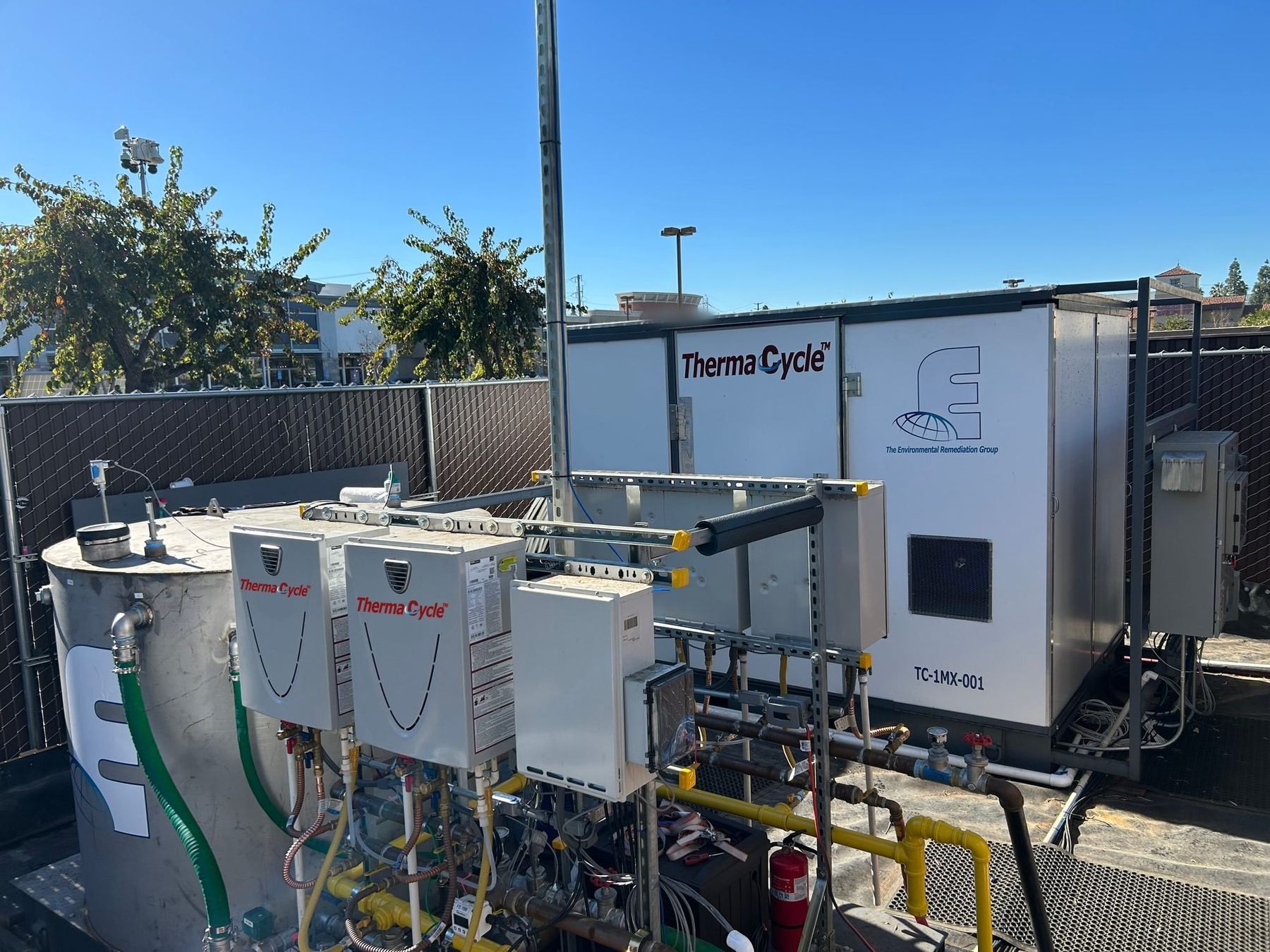
A closed-loop groundwater recirculation and heating platform for low to mid temperature remediation. One skid delivers heat, amendments and hydraulic control, so the treatment mechanism can change as the site changes.
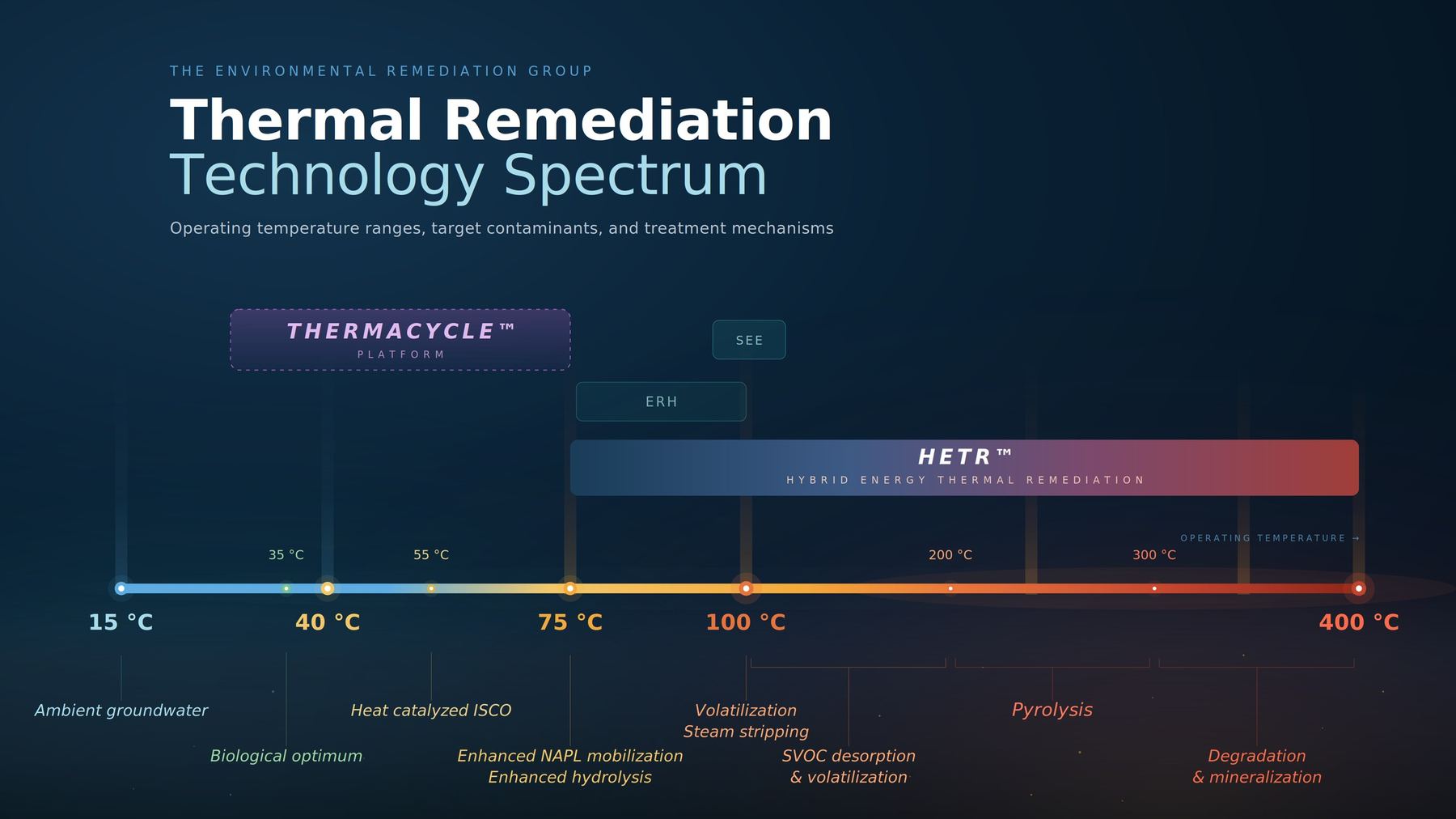
From ambient groundwater to 400 °C, each step up the scale switches on a different set of treatment mechanisms. Our designs target the optimal temperature window for each project, reducing energy consumption and project cost while improving overall efficacy.
Operating ranges of ThermaCycle®, ERH, SEE and HETR™, and the treatment mechanisms each range activates.
Results
Measured outcomes. Documented closures.
ERH with DPE · NAVFAC Northwest
Jackson Park NEX Gas Station, Bremerton, Washington
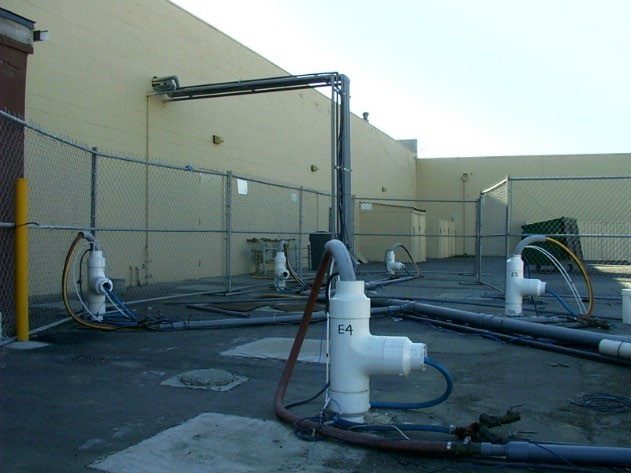
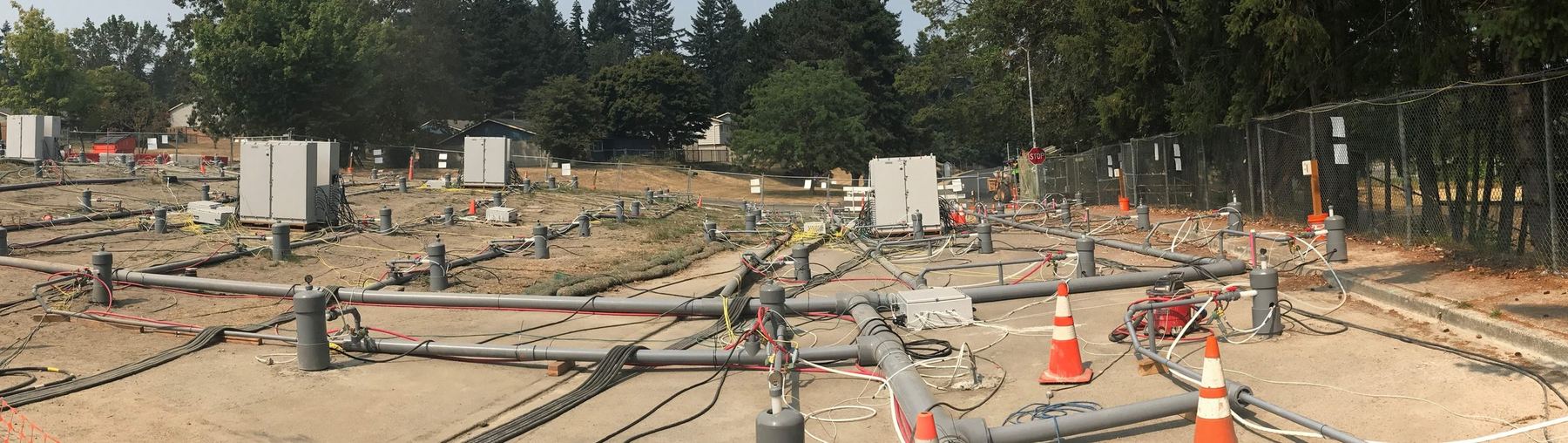
Seventy-six electrodes treated 21,900 cubic yards of glacial till and perched groundwater to 52 ft below ground. About 19,000 lbs of contaminants were removed and dissolved TPH-G and BTEX fell 99%.
A phased remedy beneath an operating dry cleaner cut PCE and TCE about 99% in soil, groundwater and vapor. DTSC issued No Further Action for unrestricted land use in August 2026.
Have a contaminated site? Let’s engineer the closure.
Send us the basics: contaminants, depth, geology and the cleanup goal. A principal will review the site and tell you whether heat fits, which approach, and what a full evaluation involves.