
The full thermal spectrum, matched to the site.
ERG designs and operates every major thermal remediation method, from low temperature heat-enhanced bioremediation to 400 °C thermal conduction heating, alone or as sequenced treatment trains. Two proprietary platforms, HETR™ and ThermaCycle®, anchor the range.
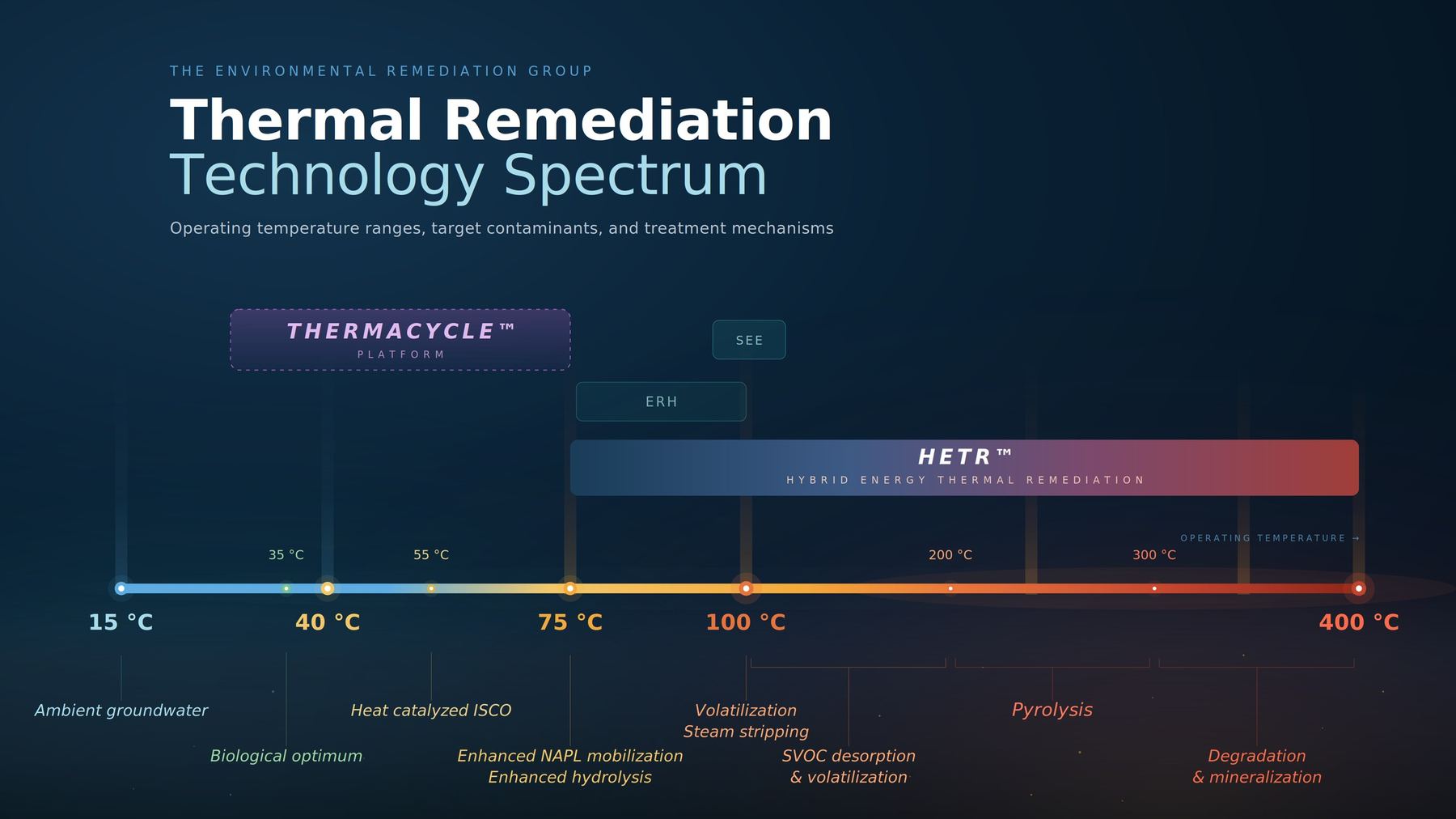
HETR™ for high temperature. ThermaCycle® for low to mid temperature.
ERG’s hybrid energy thermal conduction heating platform. Multiform energy from combustive and/or electrical sources heats the formation to as much as 400 °C, on grid, partial grid or fully off grid, while thermoelectric modules in each well generate power as the system heats.
HETR™ platform
ERG’s closed-loop, recirculating groundwater heating platform. It runs heat-enhanced biodegradation, hydrolysis, desorption, chemical treatment and NAPL mobilization from one factory-built skid, and changes mechanism as the site moves toward closure.
ThermaCycle® platformEvery established heating method, in house.
We select among electrical resistance heating, thermal conduction heating and steam on the merits of each site, and we combine them when the geology calls for it.
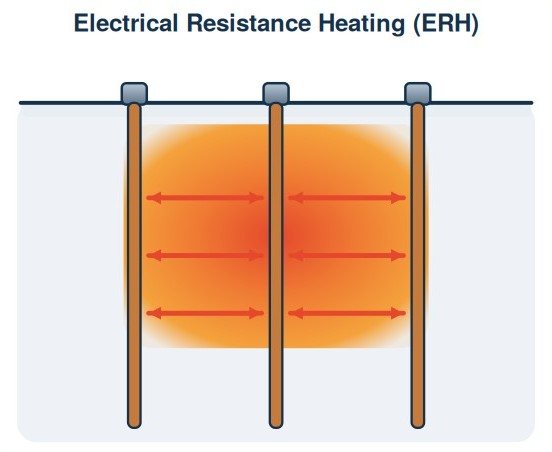
Electrical resistance heating (ERH)
Electrodes in three or six phase arrays pass controlled current through the soil, which heats by its own resistance to a maximum near 100 °C. ERH heats saturated and lower permeability zones evenly, without the hot spots that form around conductive heaters, which matters where a few degrees decide whether a mechanism runs.
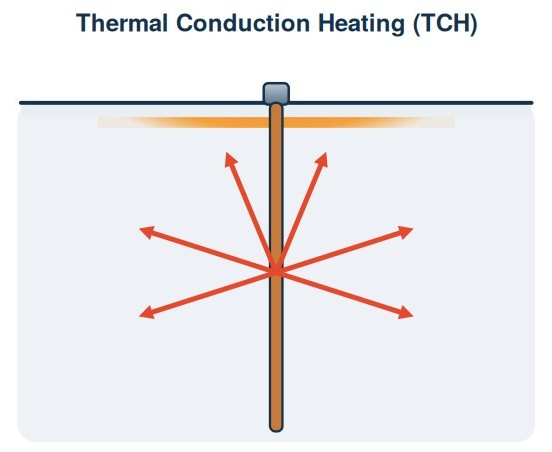
Thermal conduction heating (TCH)
Heaters in sealed wells raise the formation by conduction to 400 °C and above, regardless of permeability or moisture. TCH reaches SVOCs and high boiling point compounds that ERH and steam cannot. ERG’s patented HETR™ is a TCH platform.
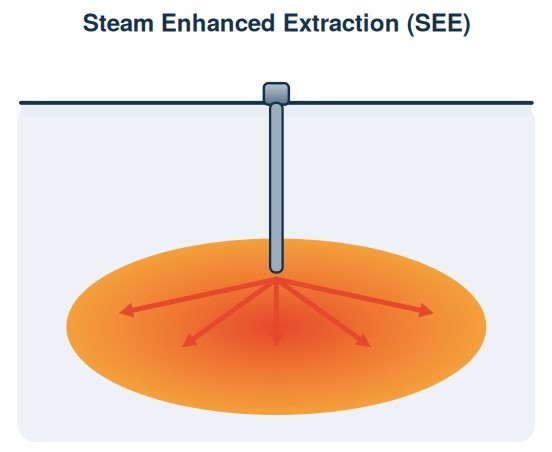
Steam enhanced extraction (SEE)
Steam injected through screened wells at controlled pressure and rate sweeps highly transmissive zones at up to 100 °C, paired with multiphase or groundwater extraction for hydraulic control. SEE suits VOCs and free product in permeable, high flow intervals, and only specific sites qualify.
Project counts reflect the experience of ERG’s team, including projects completed by team members at prior firms.
When the soil is already coming out of the ground.
Where excavation is already part of the remedy, excavated soil can be treated on site in heated piles or cells using thermal conduction heating, at temperatures above 350 °C when the contaminants require it, then managed under the site’s soil management plan. ERG designs, builds and operates the treatment pile, heating and vapor treatment system.
Wake the microbes.
Many in situ bioremediation programs stall because groundwater is too cold for the degrading organisms to work at full rate. Raising groundwater temperature by 30 to 40 °F moves the site’s own microbial community toward its optimum and can restart a stalled program.
ERG delivers that heat with ThermaCycle® recirculation or low temperature ISTR wellfield arrangements, under aerobic or anaerobic conditions, with electron donors, nutrients and bioaugmentation cultures dosed through the same loop. Bench microcosm studies measure how the site’s microbes respond to temperature and amendments before full scale design begins.
Read: Wake the microbes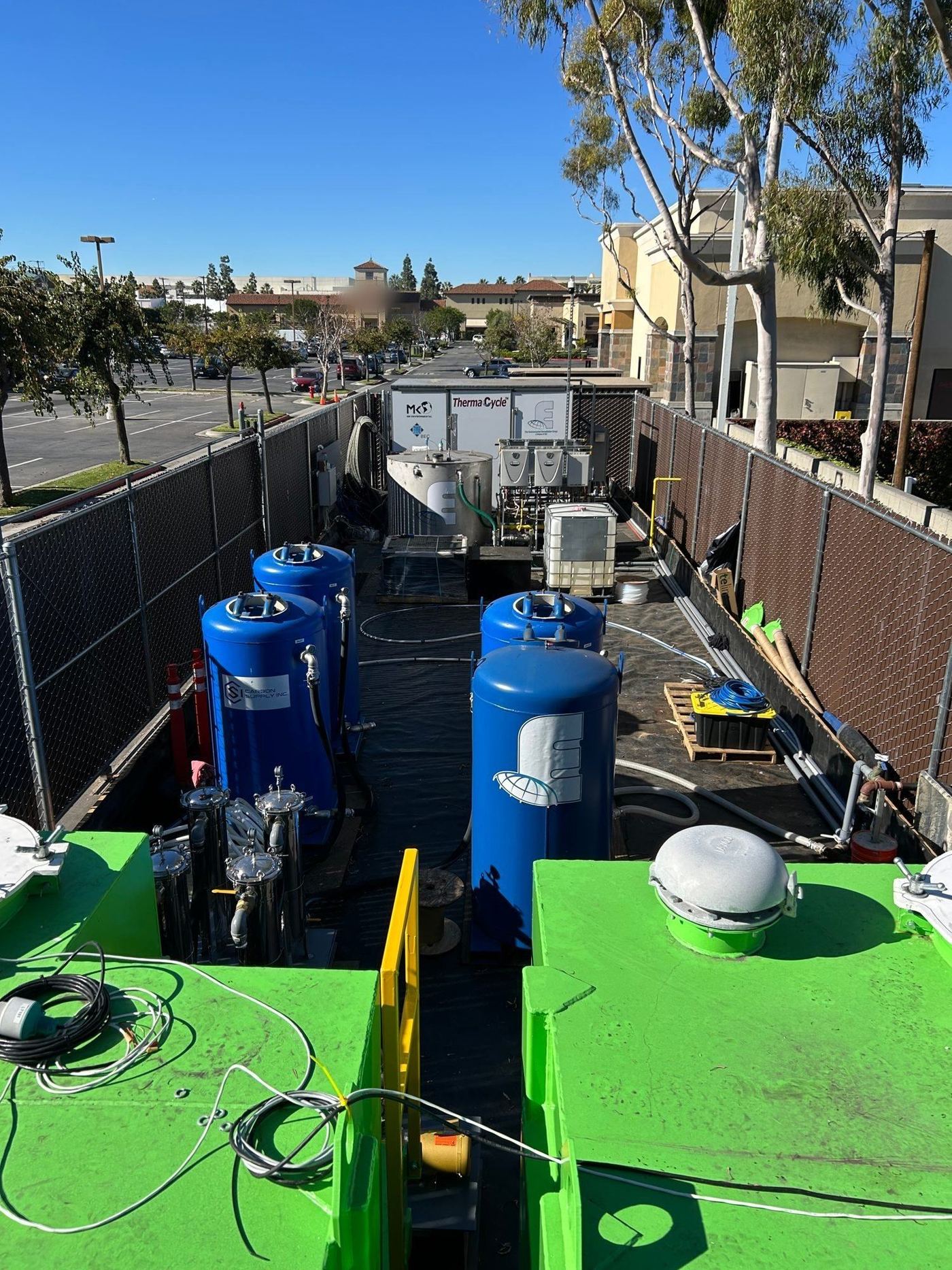
Sequenced in space and time.
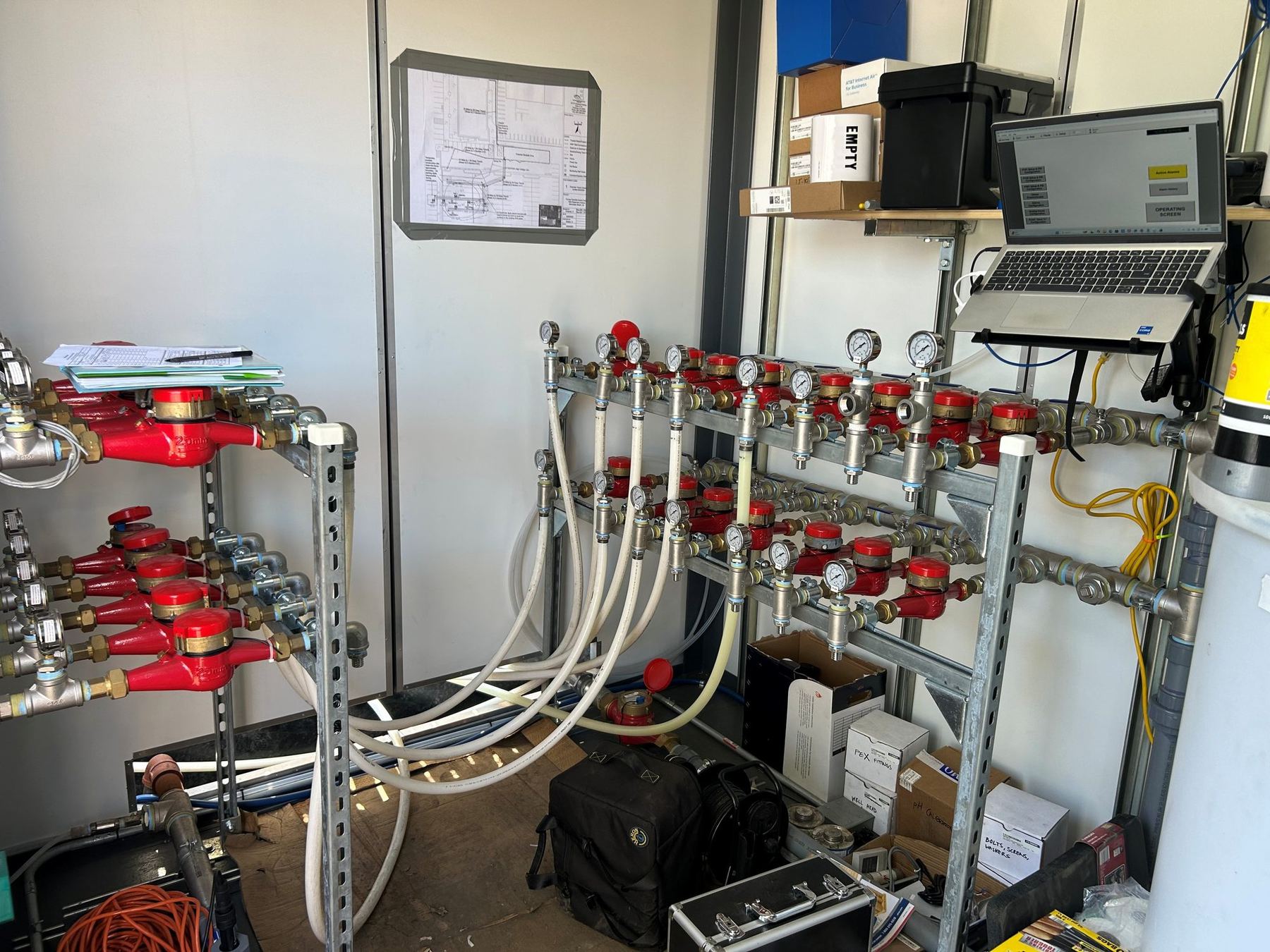
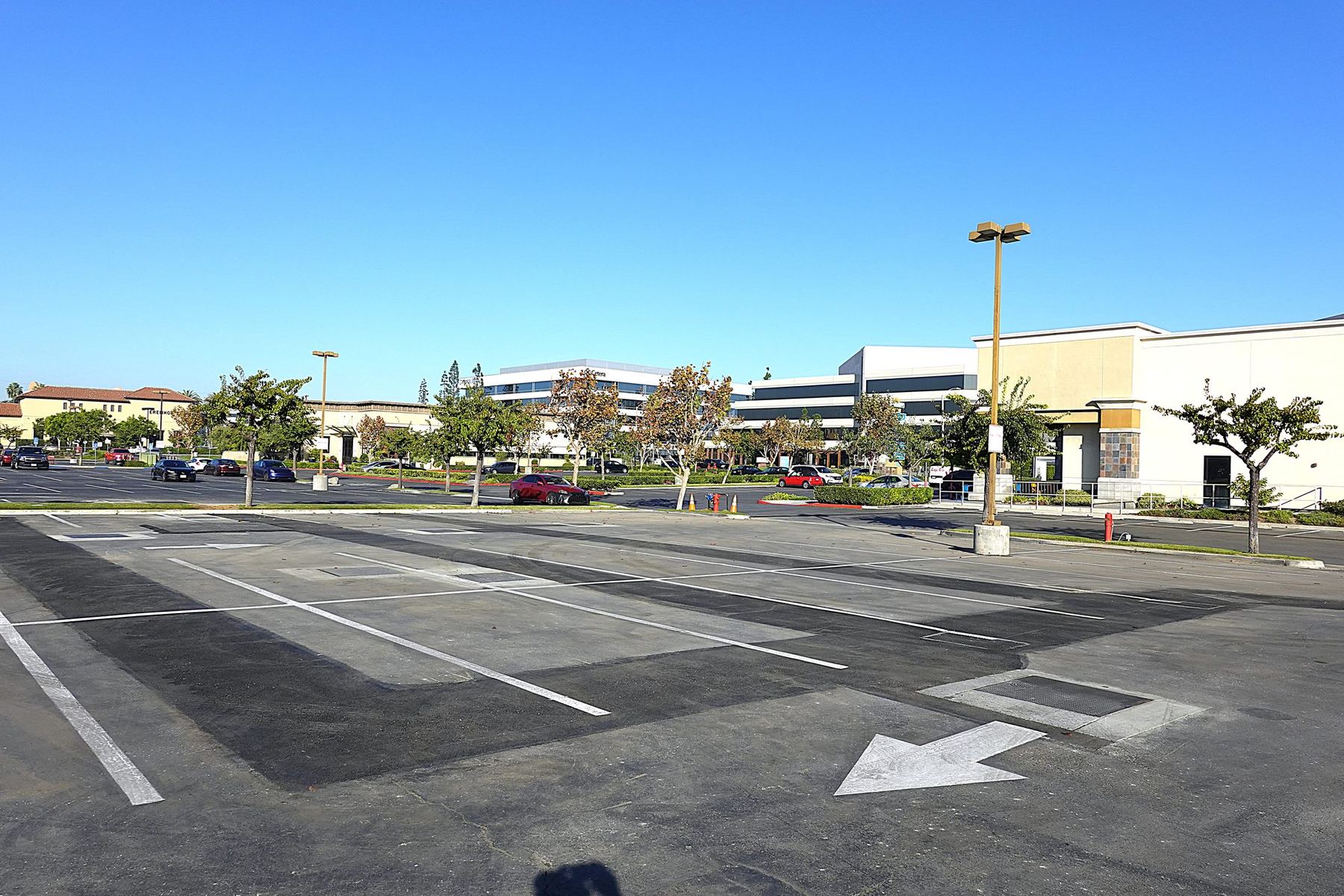
Thermal source zone treatment can run alongside heat-enhanced bioremediation in the downgradient plume, hand off to biological polishing as the formation cools, or be sequenced with chemical and physical mechanisms. ERG’s team has delivered seven combined source zone remedies that integrate thermal treatment with complementary technologies.
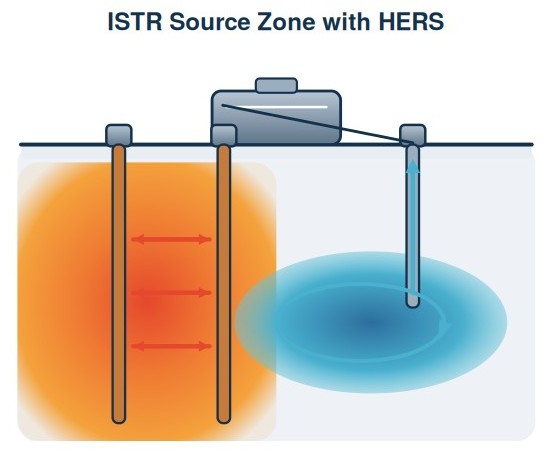
Thermal source zone with HERS
In situ thermal treatment in the source zone while a heat-enhanced recirculation system treats the downgradient plume.
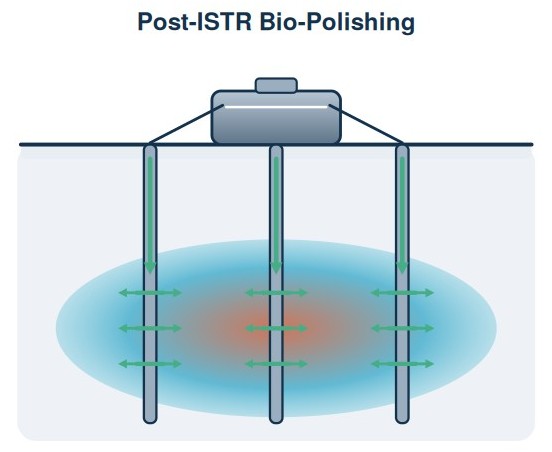
Post-thermal bio polishing
Heat left in the formation after thermal treatment drives biological polishing of the remaining mass.
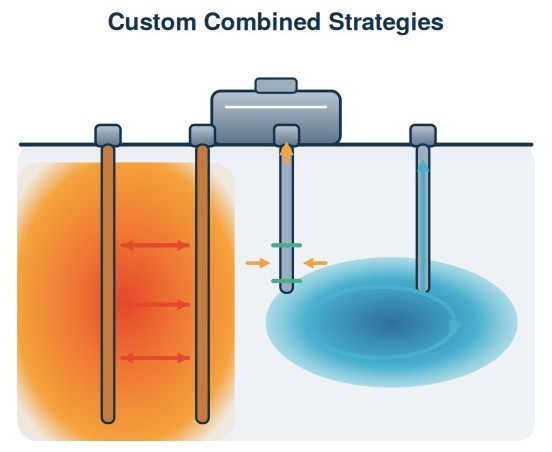
Custom combined strategies
Heating, extraction, recirculation and amendment delivery sequenced for the chemistry, geology and endpoint of the site.
Heat for a cleanup that has stalled.
At sites where an extraction or bioremediation system has plateaued short of closure, ERG applies heat through the wells and infrastructure already in place to accelerate the remaining cleanup, often without starting over.
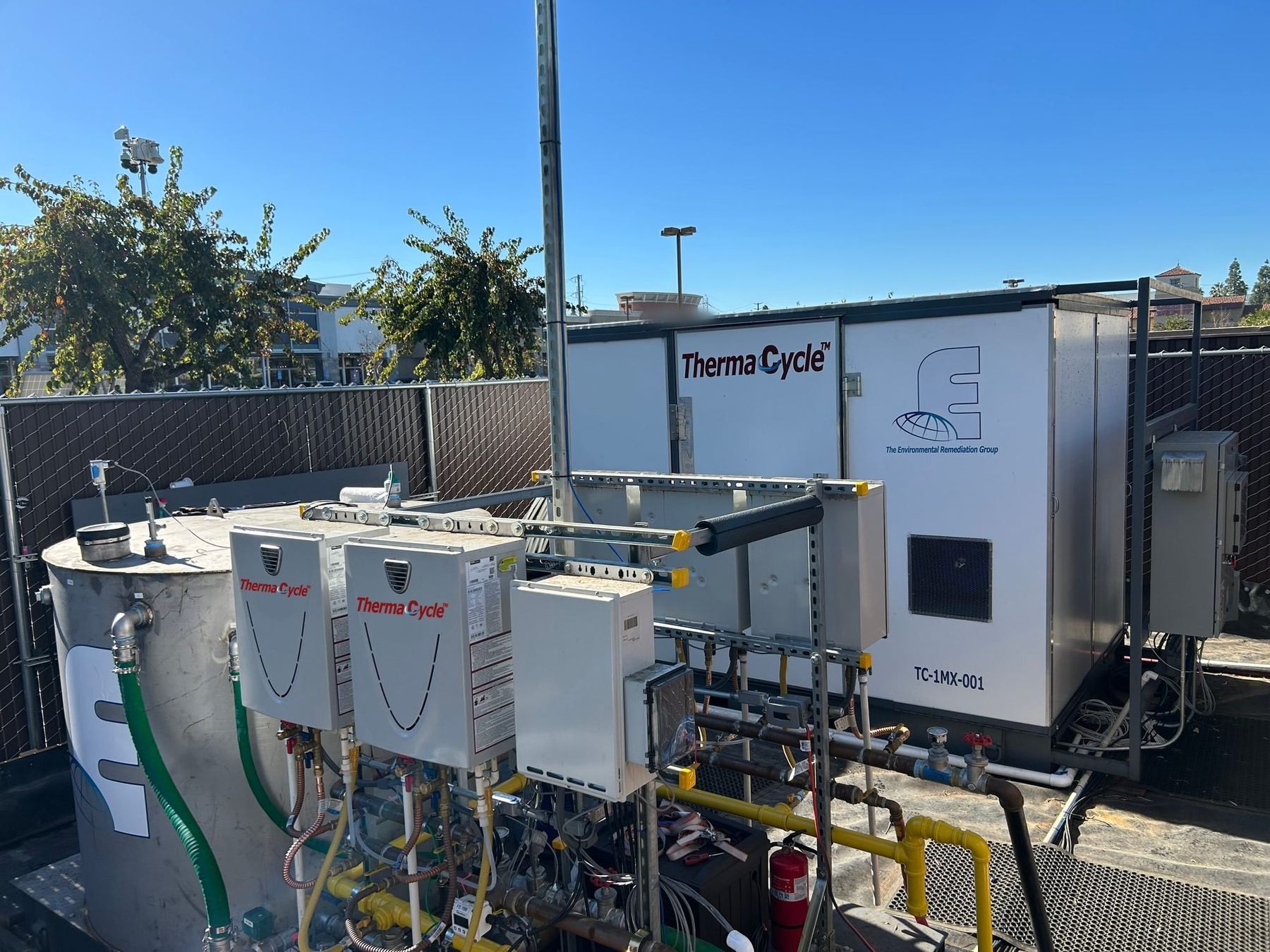
Extraction and treatment, engineered into every thermal system.
Vapor and multiphase extraction, groundwater extraction and recirculation for hydraulic control, conveyance, and vapor and water treatment control what heat mobilizes. ERG designs, builds and operates them as part of each thermal remedy.
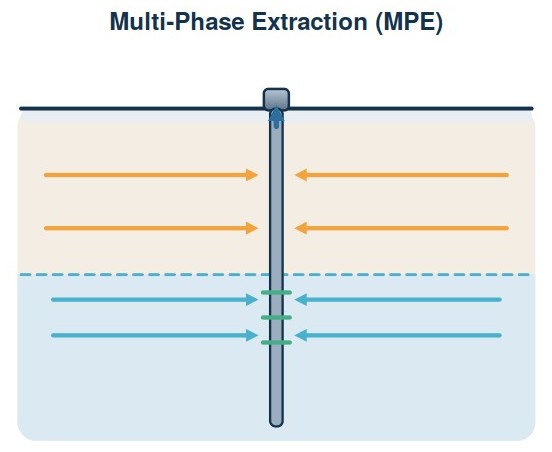
Multiphase extraction (MPE)
Removes vapor, groundwater and mobilized liquids from one well and holds hydraulic control around the heated zone.
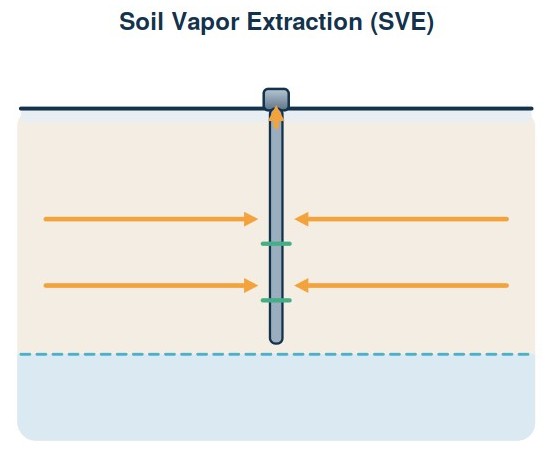
Soil vapor extraction (SVE)
Captures vapor and steam produced by heating and keeps vapor from migrating beyond the treatment zone.
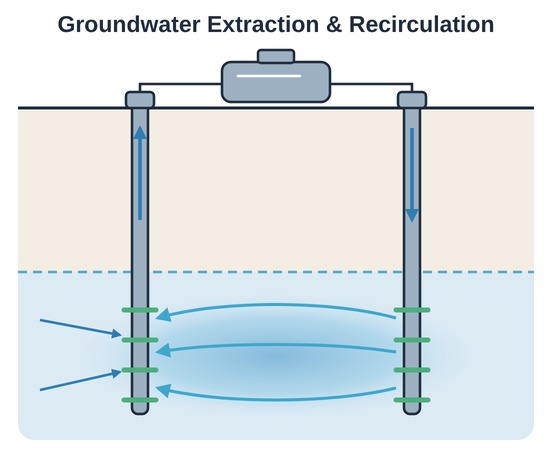
Groundwater extraction and recirculation
Extracts and recirculates groundwater to hold hydraulic control of the heated zone, capture mobilized mass, and deliver heat and amendments where they are needed.
An honest read on thermal
ERG gives every client a candid assessment of whether thermal technologies fit their site. Our job is to show you the most efficient path to your cleanup goals, even when that path leads to other technologies and approaches. More often than not, it leads to a creative combination of in situ approaches and designs built for the site in front of us.
Have a contaminated site? Let’s engineer the closure.
Send us the basics: contaminants, depth, geology and the cleanup goal. A principal will review the site and tell you whether heat fits, which approach, and what a full evaluation involves.