
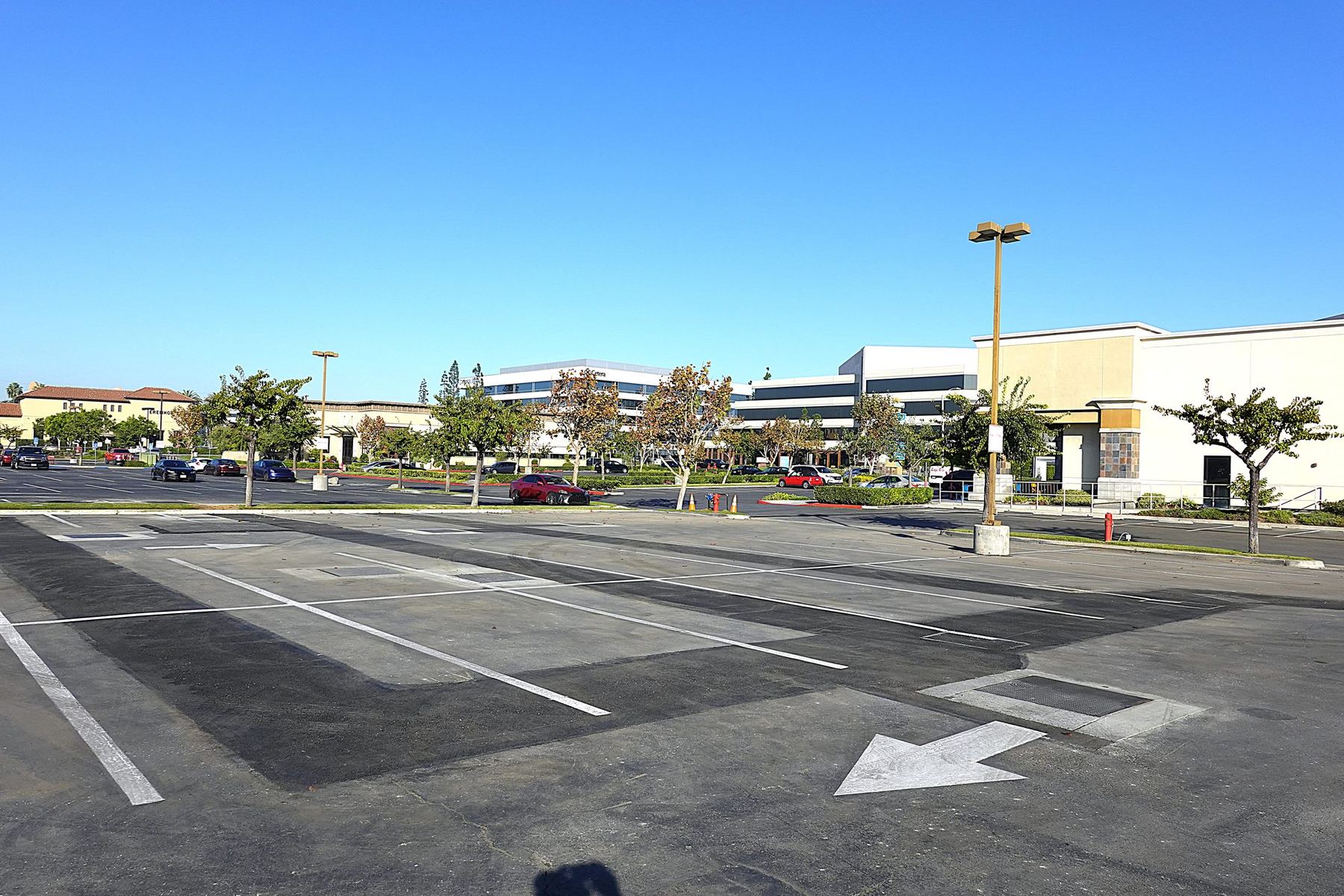
When people think In Situ Thermal Remediation , they picture open ground and empty lots. But contamination doesn’t follow convenience — it migrates beneath buildings, pavement, and public infrastructure. These unseen source zones demand solutions that work silently, invisibly, and effectively below grade.
The Hidden Challenge
Subsurface ISTR is as much engineering as it is art.
- Invisible constraints — Source zones are often under structures, roadways, or high-traffic areas where excavation isn’t an option. Systems must be installed beneath what cannot be disturbed.
- Complex geology — The dynamic processes engendered by ISTR behave differently through clays, silts, sands, and fractured rock. Heating (and extraction) design must accommodate variable thermal and hydraulic conductivity, moisture & steam migration, and permeability.
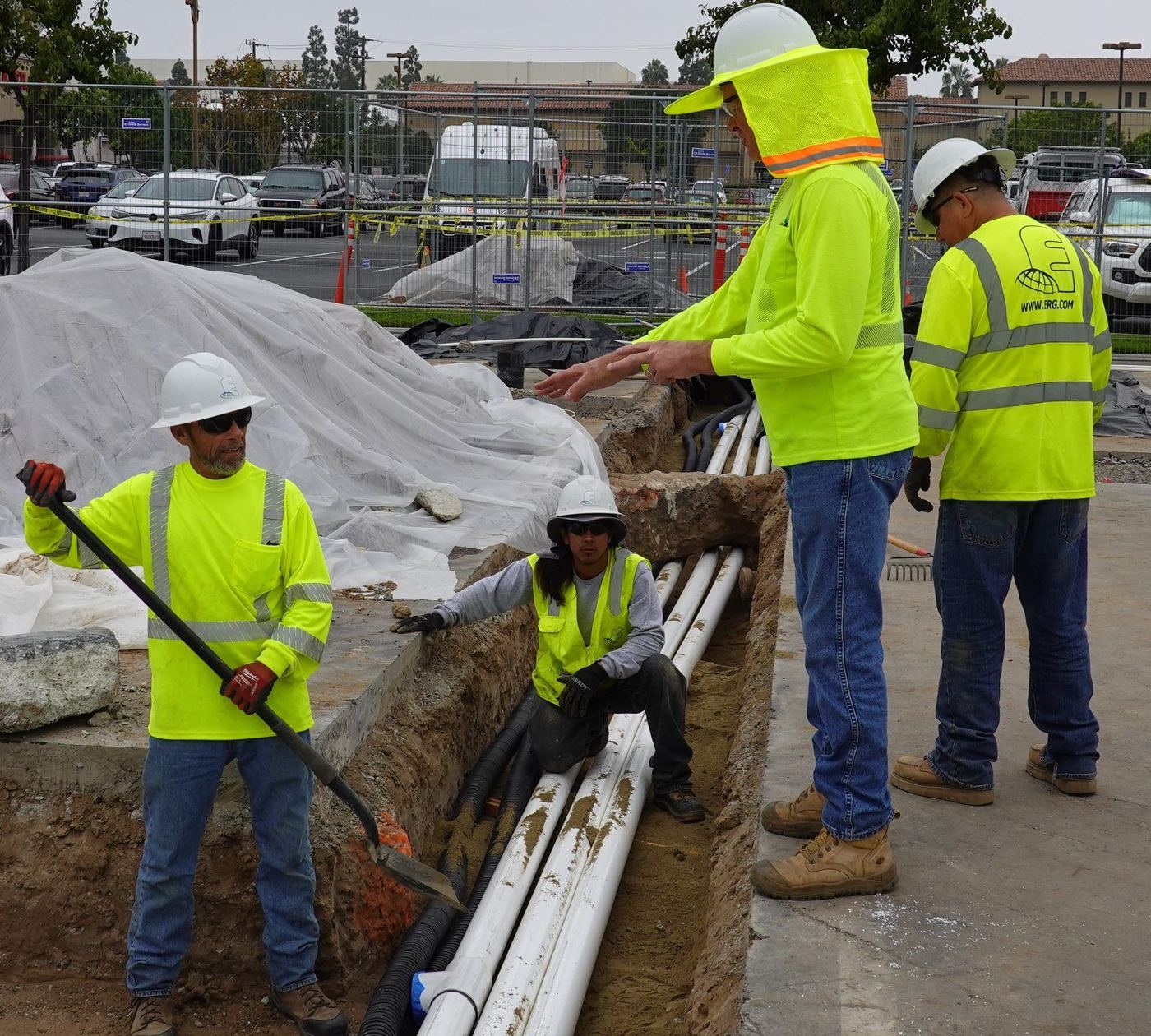
- Geometry and access — Wells must sometimes be angled, horizontal, or fan-arrayed to reach beneath obstacles. Power, vapor, and fluid conduits must weave through tight infrastructure corridors.
- Safety and vapor control — Once the subsurface reaches boiling, pressure and vapor management become critical. Pneumatic control through plenum construction, well seals, vapor collection and a dynamic interplay between steam formation (pressure) and subsurface extraction (vacuum to neutralize positive pressures) are integral to success.
- Regulatory layers — Working under roads or within rights-of-way adds logistical and permitting complexity, often demanding municipal coordination and advanced planning.
Why ERG Excels Beneath the Surface
At ERG, subsurface installation isn’t a constraint — it’s a design parameter. Our technologies, from the patented Hybrid Energy Thermal Remediation (HETR™) Thermal Conduction Heating (TCH) platform to the low- and mid-temperature ThermaCycle®system for low-temperature to mid-temperature heat enhanced remediation, are engineered for adaptability in any environment.
We design with a subsurface-first mindset, integrating multi-energy heating, vapor management, and controls in a compact, field-ready form factor that fits where others can’t. Our systems can operate under active facilities, roadways, or production floors — without interrupting surface operations.
Engineering the Invisible
Once installed, our systems often disappear from view. The surface is restored, operations resume, and life goes on — while below, temperatures quietly rise to 100 °C and beyond. Vapor is captured, contaminants are destroyed or extracted, and the soil is reborn.
It’s a bit like a magic trick: people walk, work, and drive above, unaware that beneath their feet, the subsurface is being transformed from contamination to restoration.
Key Design Takeaways
- Design early for geometry and access: Subsurface installations succeed when heating geometry is integrated into the civil plan from day one.
- Model the unseen: Predicting thermal propagation and vapor transport ensures control and efficiency.
- Preserve the surface: Maintain structural integrity and minimize disruption to operations and infrastructure.
- Control vapor and pressure: Tight systems keep vapors contained, treated, and compliant.
- Adapt and iterate: Field conditions shift. Successful subsurface ISTR depends on live feedback, adaptive control, and robust monitoring.
The Bottom Line
Subsurface ISTR is the future of cleanup in developed environments. It’s quiet, efficient, and precise — invisible to the passerby, but transformative below.
At ERG, we make that possible. Whether beneath a warehouse, a roadway, or a city block, our systems operate unseen — heating the ground to boiling temperatures and turning source zones green.